

Types of Door Locks for Patio Doors in Aylesbury
Sliding patio doors in aylesbury is a fantastic way to bring more light into your home. They are easy to maintain, and they're extremely secure.
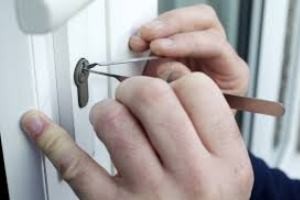
A customer called in to discuss the possibility of installing a brand new lock for their front door. After a wide range of options were discussed they chose to have a Yale night latch fitted and new keys supplied.
Sash Locks
Sash locks are one of the most common mortice locks, and they work by using latches as well as deadbolts. These locks are set within the door's material and are operated by a key. They are a great choice for back doors and front doors, since they are highly secure. Sash locks are available in different sizes to suit the various thicknesses of doors, and can be installed on both hardwood and UPVC doors.
There are many different types of sash locks however the most well-known are the five lever sash lock and the three lever sash lock. The mortice sash lock that has five levers is one of the most secure options and is in compliance with British Standards for thief-resistant locks. It also comes with face plates and strikers that can be made to match your door knobs and handles. The three-lever sash lock is an option that is less secure but it offers sufficient security for residential use. It is also simple to customise, as it features fewer levers and can be used on all doors in the house.
The rim profile sashlock is another type of sashlock. These are similar to sash locks, but differ in that they aren't inserted into the door. They attach to the surface and can be secured from both sides. They are perfect for interior doors that require privacy, such as bedrooms and bathrooms.
A sash lock is a great method to keep your home safe from intruders, and your children secure. These locks prevent the sash opening too wide and ensure that your children don't fall out of the windows. They come in a range of sizes, from 3 inches to 5 inches and are an excellent option for any window restoration project.
Installing sash window locks is easy and is attainable by anyone who loves D.I.Y. To begin, you'll require an ruler and pencil to mark the center point where you wish to put the lock. Once you have marked the spot, you will need to take off any screws that are holding the sash. After removing the screws, you must clean any debris or paint that may have remained. Install the new fastener.
Mortice Locks
A mortise is a relatively large mechanism that slides into the door's inside. They're commonly seen in older structures, as well as contemporary residential construction. You can still buy a mortise-style lock in hardware stores. It's a safe and robust choice, and is perfect for doors that are in areas that are crowded, such as schools or hospitals.
You cannot use a mortise locking system with a standard knob handle since the bolt will only retract when a key is used. It is also crucial to select handles and knobs that are perfectly sized to fit into the lock case. The bolt won't be able to move until you turn the knobs. Refer to the lock diagram for any questions.
Mortice locks are typically made of heavy materials that can withstand a great deal of wear and tear. Their size and weight make them difficult to break into, even when subjected to extreme pressure. This makes them an ideal choice for doors in areas where they're likely be exposed to a lot of abuse like hospitals and schools.
As with rim locks, mortise deadlocks can be found in different styles and security levels. For instance there are three-lever mortice sashlocks, which are commonly used for doors that are internal like bedrooms and porches. However, they're not considered to be as secure as a mortice lock with five levers because they have less levers, and thus present a greater risk for key duplicates.
It is essential to verify the British Standard approval of any mortice lock you purchase for an exterior door. This will ensure that your door is secure enough to prevent intruders from entering your home or taking your valuables.
A mortise lock operates by locking into a pocket cut into the inside of the door frame. This pocket is known as"mortise" and the lock is secured by an 'lock case' attached to the door frame using nails or screws. A hard collar is usually attached to the exterior of the cylinder so that it cannot be removed with the help of a pipe wrench.
Cylinder locks
Cylinder locks are a very popular choice for uPVC doors and are also available for composite and timber doors. These locks consist of two components - the lock, which is activated by the door latch and/or dead bolt and the cylinder that controls it. glass specialists near me permits both of these parts to be replaced separately should they be required. This is helpful when a component does not work correctly or you want to upgrade to a safer cylinder.
The lock cylinder has a series of pin pairs inside it. It is the part of the lock that accepts keys. When a valid key is inserted into the lock, the notches on the key push the pins up to different levels so they can rotate and open the door. If you use an incorrect key, the notches won't align and most of the pins will remain at their original position.
There are many types of cylinder locks available, from basic pin tumblers to high-security versions that are resistant to multiple lock picking methods. The more pins that cylinder locks has, the more difficult to pick. A normal cylinder lock will typically contain six pins, while higher security versions may have up to 13 pins. These pins can be described as "security pins". There are many security pins, such as spool pins that have narrow waists machined to resembles a cotton spool, and serrated pins with one or more narrow grooves cut into them.
A cylinder lock is installed more easily than a mortise because the door frame does not need to be drilled. It's still recommended to have the door frame measured and fitted by a professional to ensure that it is positioned correctly. If your door isn't square, you'll have to choose an offset cylinder.
Cylinder locks are more affordable than smart locks and offer the same level of security. They are a great option for homes that are less secure or for those who want to lock their home fast. They are particularly effective if your door already has a hole already drilled for the lock.
Mullion Locks
A mullion is the middle section of a double doorway. It divides it into two sections, allowing the other side to be used as an opening in one. It can be fixed or removed. Mullions are available in metal, wood or plastic. They can be utilized with mortise and rim lock exit devices. They improve the security of double doors and allow for greater access than rods with vertical exits. They are also great for doors that get frequent use, such as doors that are fire-rated and hurricane-proof.
In a typical installation, the mullion is attached to the frame head and then anchored to the floor during the construction. However certain mullions are designed to be removed, which makes them an excellent option for commercial projects where the location of a door could change often. If a business owner would like to install an entrance to the back for employees then they can take out the mullion and permit larger furniture to move through.
Conventional mullions require the removal of bolts or screws from fittings which are set into the floor and on top of the door frame. This is often a time consuming and labor-intensive process that requires two people. Repeated removals may cause the fittings to loosen and break over time. When the mullions are not in place, large machinery carts, gurneys and carts are unable to easily traverse the opening.
A keyed door mullion that can be removed was designed to address this problem. It permits the removal of a mullion easily and quickly from the top bracket by using the rim the cylinder. This is a great option in situations where a large, clear opening in the door is required. The PDQ 9300 Series removable mullions are specifically designed for use with the 6300/6400 Series Rim Exit Devices for pairs of doors. The top bracket can be lifted to allow the bottom fitting 20 to be permanently fixed to the floor 14 to lift the protrusions that extend upwards. The latch then releases and the mullion may be temporarily removed. The mullion will then automatically engage the latch once it is installed.